
 English
 Español
 Portugues
 العربية

Турбокомпрессор
A turbocharger is a mechanical device used to increase the efficiency and power output of an internal combustion engine by forcing more air into the combustion chamber. It works by using the energy of exhaust gases, which would otherwise be wasted, to drive a turbine. This turbine is connected by a shaft to a compressor on the intake side. As the turbine spins, it drives the compressor, which draws in and compresses more air before sending it into the engine. Because the compressed air contains more oxygen, the engine can burn more fuel and produce more power from the same displacement.One of the main advantages of a turbocharger is improved engine performance without a significant increase in engine size or weight. This makes it especially useful in vehicles where both power and fuel efficiency are important. By allowing smaller engines to produce power comparable to larger engines, turbocharging helps reduce fuel consumption and can lower emissions under many operating conditions. It is widely used in passenger cars, trucks, buses, construction equipment, marine engines, and industrial machinery.A turbocharger usually consists of three main sections: the turbine housing, the compressor housing, and the center housing assembly. The turbine side is exposed to hot exhaust gas, while the compressor side handles clean intake air. The center housing contains the shaft and bearings that support high-speed rotation. Since turbochargers can operate at extremely high rotational speeds and temperatures, they require careful design, durable materials, and effective lubrication. Engine oil is often used to cool and protect the rotating components.Modern turbochargers may also include features such as variable geometry, wastegates, and intercoolers. A wastegate controls boost pressure by redirecting excess exhaust gas away from the turbine when needed. Variable geometry designs adjust the flow path of exhaust gas to improve responsiveness and efficiency across a wider range of engine speeds. An intercooler reduces the temperature of compressed air before it enters the engine, increasing air density and helping prevent engine knocking.Despite their benefits, turbochargers can introduce some challenges. Turbo lag, or the delay between pressing the accelerator and feeling increased power, can occur because the turbine needs time to build speed. However, advancements in design have greatly reduced this issue. Turbocharged engines also experience higher thermal and mechanical stress, so proper maintenance and high-quality lubrication are essential.In summary, a turbocharger is an important technology that enhances engine power, efficiency, and overall performance by recycling exhaust energy. Its ability to deliver more output from a smaller engine has made it a key component in modern transportation and industrial applications.
продукт
классификация:
-
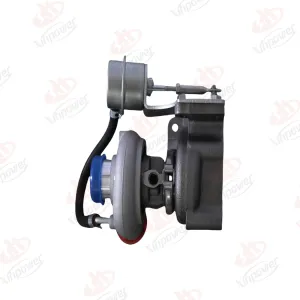
Дизельный турбокомпрессор
Их классификация: Детали дизельного двигателямнения: 738номер:Время выпуска: 2026-10-23 08:09:16Дизельный турбокомпрессор✪Представление продуктаДизельный турбокомпрессор — это устройство, которое использует выхлопные газы, выпускаемые двигателем, для приведения во вращение турбины, тем самым заставляя компрессор сжимать больше воздуха в цилиндр двигателя. Это может увеличить объем впуска, улучшить выходную мощность двигателя и эффективность сгорания. Турбокомпрессор эффективно повышает производительность двигателя за счет преобразования энергии выхлопных газов в мощность, позволяя при этом двигателю достигать большей выходной мощности при меньшем рабочем объеме.Основная конструкция турбо...
новости
классификация:
Нет результатов поиска!
случай
классификация:
Нет результатов поиска!
видео
классификация:
Нет результатов поиска!
скачать
классификация:
Нет результатов поиска!
вербовка
классификация:
Нет результатов поиска!
Рекомендуемые продукты
Нет результатов поиска!



 телефон